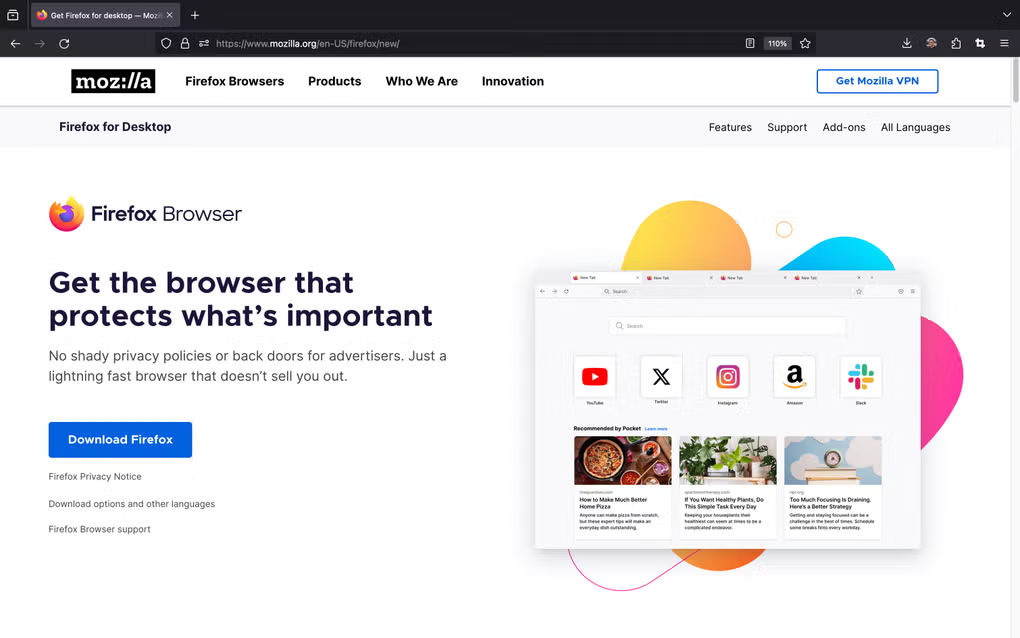
What is Mozilla Firefox for Mac and what does it do?
Mozilla Firefox 147 for macOS: Fast, Private Browsing on Apple Devices
Mozilla Firefox 147 is a free, open-source web browser built for macOS users who want speed, efficient performance, and strong privacy controls without a complicated setup. It’s designed to feel responsive on everyday tasks like research, streaming, online work apps, and heavy tab sessions—while keeping memory usage under control, which matters on MacBooks where battery life and heat management are part of the experience.
Firefox also stands out for its privacy-first approach. Many protective features are enabled in normal browsing, not hidden behind advanced settings. For Mac users who prefer a browser that limits tracking by default and keeps the interface clean, Firefox 147 is a practical alternative that fits naturally into Apple-focused workflows.
If you want the official download page for your site, you can use this internal page: Mozilla Firefox for Mac.
What Is Mozilla Firefox 147 for macOS?
Firefox 147 for macOS is the Mac version of Mozilla’s mainstream browser, built on the Quantum engine and optimized to run smoothly across Apple hardware. It supports modern web standards, handles high-resolution media efficiently, and provides a privacy-focused browsing experience that does not rely on advertising-based profiling to function.
From a practical perspective, Firefox on macOS is often used for:
- Daily browsing with strong tracking protection enabled by default
- Work sessions with many tabs open for research, documents, and web apps
- Cross-device workflows between Mac, iPhone, and iPad using secure sync
- Customization through extensions and interface settings
Optimized Performance for macOS
Firefox 147 is designed to feel quick in everyday use. Page rendering, scrolling, and interface responsiveness are tuned for modern Mac hardware, and the browser supports hardware acceleration where available to reduce CPU strain during common tasks such as video playback and graphics-heavy pages.
One of the biggest real-world improvements comes from how Firefox handles demanding websites. Web apps that rely heavily on JavaScript—dashboards, document editors, and complex productivity tools—often feel smoother when the browser can keep rendering and script execution consistent while multiple tabs stay active.
Multi-Process Architecture for Stability
Firefox runs as a multi-process browser, meaning different tabs and key components operate in separate processes. The practical benefit is stability. If one page freezes due to heavy scripting or a bad media element, it’s less likely to lock up your entire session. This is especially helpful on long workdays where the browser remains open for hours and you want reliability more than anything.
Memory Efficiency for Mac Hardware
MacBooks are powerful machines, but memory usage still matters—especially on models with 8GB RAM, where heavy browsing can compete with creative tools and background processes. Firefox 147 is positioned as a browser that manages memory carefully, aiming to keep the system responsive even with many tabs open.
In practical terms, memory efficiency helps when you run:
- Video editing or audio production software alongside web browsing
- Design tools and large creative projects that require consistent RAM availability
- Development environments, local servers, or containers that are already resource-heavy
- Large tab sessions with research, references, and documentation open all day
Firefox can also reduce pressure during long sessions by managing inactive tabs more intelligently, preserving responsiveness without forcing constant reload behavior that disrupts workflow.
Privacy Features Built for macOS Users
Firefox 147 includes tracking protection designed to work in normal browsing without requiring special modes. This is important for Mac users who want privacy benefits all the time, not only when they remember to switch on a private window.
Enhanced Tracking Protection
Firefox blocks many known trackers by default, including tracking scripts and cross-site elements that are often used to build browsing profiles. By reducing third-party script activity, many sites also feel cleaner and more responsive, particularly on pages heavy with embedded content.
Private Browsing Protections
Private Browsing adds an extra privacy layer and is built for sessions where you want less persistence of local browsing data. It can also reduce the impact of fingerprinting attempts—methods used by some sites to identify devices based on unique browser and system characteristics.
For Mac users who value Apple’s general privacy philosophy, Firefox’s approach aligns well: fewer trackers running in the background, fewer unwanted scripts loading silently, and clearer controls for privacy-related settings.
macOS Integration and Handoff
Firefox 147 supports macOS-focused experiences that make it feel more natural on Apple devices. It respects system-level preferences like appearance settings and can integrate into cross-device workflows for users who browse across multiple Apple devices.
- Handoff support: start browsing on one device and continue on another in supported setups
- Dark mode awareness: the browser can follow macOS appearance settings for a consistent look
- Password management: Firefox includes its own password manager and supports secure sync
- Touch Bar support: on compatible MacBook Pro models, shortcuts can improve navigation
While Firefox does not operate inside Safari’s Keychain ecosystem in the same way Safari does, its own syncing approach is designed for cross-platform continuity, which can be a major advantage if you use non-Apple devices as well.
Extension Ecosystem and Customization
Firefox supports a wide selection of extensions through the WebExtensions standard. For many users, this means they can build a browsing setup that fits their workflow rather than adapting their workflow to the browser.
Common customization areas include:
- Content blocking and privacy extensions
- Password managers and security tools
- Readability and dark-mode enhancements
- Tab management extensions for research-heavy workflows
- Theme and toolbar customization to match personal preference
Firefox’s interface can also be adjusted for layout, density, and toolbar organization—useful if you want a minimalist look or prefer quick access buttons for frequent actions.
Cross-Platform Syncing with Apple Devices
Firefox Sync is designed to move key browsing data between devices securely. This includes bookmarks, open tabs, passwords, and browsing history. It’s especially useful for users who switch between a MacBook and mobile devices throughout the day, such as reviewing saved pages on an iPhone or continuing a research session from an iPad.
A practical benefit is that Firefox Sync is separate from Google or Apple account dependency. If you prefer keeping your browser identity independent from platform accounts, Firefox’s approach supports that style of control while still delivering the convenience of continuity.
User Interface Designed for Mac
Firefox on macOS follows familiar platform expectations: proper menu bar behavior, mac-style window controls, and a layout that feels consistent with other macOS apps. The goal is to keep the interface clean while still offering quick access to features that matter during daily browsing.
Built-in tools that are useful without extra installs include:
- Screenshot capture for full pages or selected areas
- A unified Library section for bookmarks, downloads, and history
- A customizable new tab experience that can remain minimal or more informative
- Search and address bar suggestions designed to speed up navigation
These tools help reduce reliance on add-ons for basic functions, which can also support stability over long sessions.
System Requirements for Mac
Firefox 147 is designed to run on macOS 11 and newer, covering modern Mac hardware including Apple Silicon systems and many supported Intel-based Macs. Minimum hardware requirements are modest, but smoother performance is typically achieved with more RAM, especially for users who keep many tabs open or work with demanding web applications.
- Operating system: macOS 11 or newer
- Processor: Apple Silicon or supported Intel processors
- Memory: 2GB minimum (4GB or more recommended for multitasking)
Security and feature updates are delivered on a regular schedule through Firefox’s update mechanisms, helping users stay protected without manual maintenance.
Who Firefox 147 for macOS Is Best For
Firefox 147 for macOS is a strong fit for users who want a fast browser that stays stable during long sessions and offers privacy protection without constant tweaking. It’s especially useful for:
- MacBook users who want better control over background resource usage
- Students and researchers managing large tab sessions
- Professionals using web apps all day and needing stability
- Privacy-focused users who want tracker blocking enabled by default
- People who want a customizable browser with a mature extension ecosystem
If you also want a Windows version page for internal navigation, keep it minimal and only link when needed. Here is the Windows page for reference: Mozilla Firefox for Windows.
Final Summary
Mozilla Firefox 147 for macOS combines responsive performance with practical memory efficiency and privacy controls that work without complicated setup. Its multi-process architecture improves stability, making it a strong choice for long browsing sessions and heavy multitasking. With secure syncing, a flexible extension ecosystem, and a Mac-friendly interface, it fits well into Apple device workflows while still remaining useful for users who operate across multiple platforms.
For Mac users who want a browser that feels fast, stays stable with many tabs open, and blocks a meaningful amount of tracking by default, Firefox 147 remains a dependable option.
What are the pros and cons of Mozilla Firefox for Mac?
What's new in Mozilla Firefox for Mac version 147.0.4?
What are the best free alternatives to Mozilla Firefox for Mac?




What does Mozilla Firefox for Mac look like? Screenshots