
Why Your Files Still Vanish (And How One Folder on Your Desktop Fixes It)
Let me tell you about the day I lost three months of work. It was 2018. My laptop died on a train between Chicago and Detroit. The hard drive made that awful clicking sound. I’d backed up some files to a USB stick, but the client proposal I’d been editing that morning? Gone. Forever. I spent the next 72 hours rebuilding it from scattered email attachments and memory. That’s when I finally installed Dropbox. Not because of ads or hype—but because I’d watched a colleague drag a folder into that blue icon and say, “Now it’s everywhere.”
I’ve used it daily since. Not perfectly. Not without headaches. But it solved the actual problem: my files existing in only one place at a time.
What Dropbox Actually Is (No Fluff)
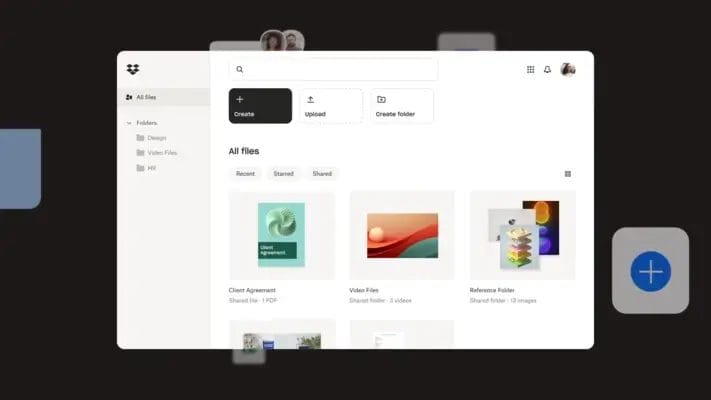
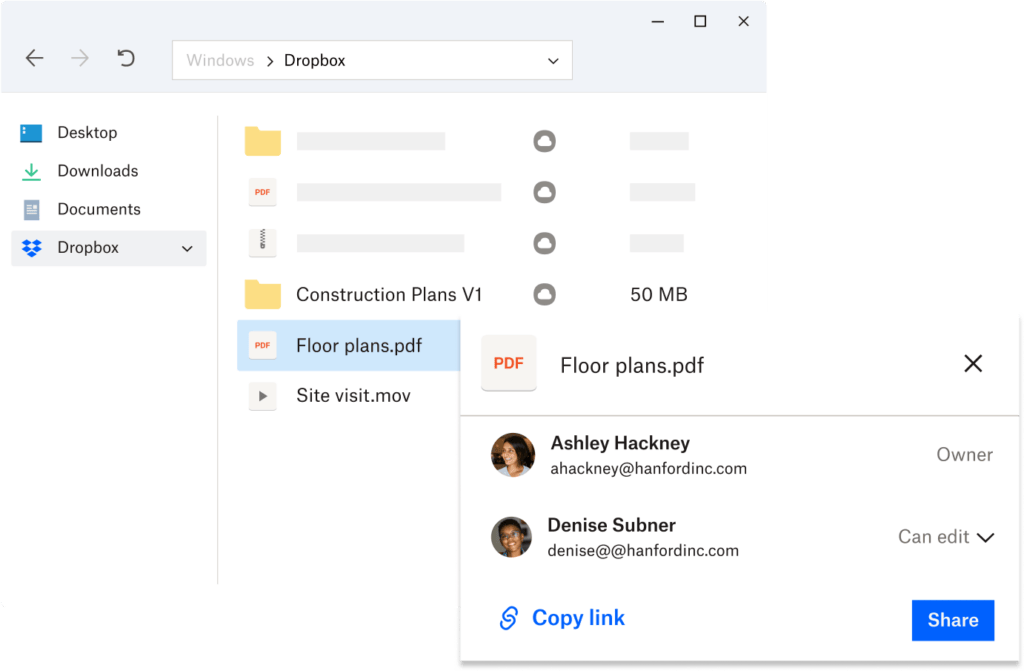
Dropbox isn’t cloud storage. It’s a folder on your computer that copies itself everywhere. Install it on Windows, macOS, Linux, Android, or iOS—and that blue “Dropbox” folder in your Documents directory becomes a magic portal. Drop a file in. It vanishes from your desktop for 10 seconds. Then reappears with a tiny green checkmark on its icon. That checkmark means: This file now lives on your phone, your work computer, and Dropbox’s servers. All identical. All up to date.
That’s the entire product. No AI. No chatbots. Just a folder that refuses to let your files stay trapped on one device. It doesn’t back up your whole hard drive like Backblaze. It doesn’t try to be Google Docs. It syncs active working files—the spreadsheets you’re editing today, the photos you took yesterday, the contract you’ll sign tomorrow.
How Sync Works When Reality Hits
The theory is clean. The reality? Messy.
Last Tuesday, my internet cut out mid-sync during a storm. I kept working on a budget spreadsheet offline. When the connection returned, Dropbox didn’t panic. It queued the changes, then transferred only the modified cells—not the entire 42MB file. Took 28 seconds. The green checkmark appeared. Done.
But it’s not flawless. On my aging Windows 7 machine (yes, I know), the sync icon sometimes freezes as a spinning blue circle. The fix? Right-click the taskbar icon > “Fix permissions.” Takes 90 seconds. Annoying, but predictable.
Mobile sync has quirks too. My Android phone’s “Camera Uploads” feature once ate 47 vacation photos because the phone storage was full. Dropbox warned me—but I missed the notification. I lost those photos. Lesson learned: never rely on only cloud sync. I now keep critical photos on an external drive too.
The Features That Actually Matter (From 6 Years of Real Use)
Shared folders aren’t collaboration—they’re sanity savers.
When my sister and I planned our mom’s 70th birthday, we created a shared Dropbox folder. She uploaded cake photos. I added venue contracts. We never emailed attachments. When she accidentally deleted the guest list, I restored it from version history in 12 seconds. No IT department. No panic. Just a slider showing every version from the past 30 days.
Bandwidth throttling saved my marriage.
During lockdown, my wife’s Zoom yoga classes kept freezing because Dropbox was syncing my 10GB video project. In settings > Network, I capped uploads to 500KB/s after 6 PM. Her downward dog stayed smooth. My files still synced—just slower. Enterprise tools ignore this. Real homes need it.
The web interface is a lifeline when devices die.
When my laptop drowned in coffee last month, I walked to the library. Logged into dropbox.com on a public computer. Downloaded my entire client folder. No identity verification circus. Just password → files. Try that with iCloud when your only Apple device is waterlogged.
Also See: Internet Download Accelerator For PC
What It Costs Your Machine (Actual Numbers)
On my 2019 Dell XPS (8GB RAM, Windows 10):
- Idle: 95MB RAM usage
- Syncing 500MB folder: Spikes to 220MB RAM, 18% CPU for 2 minutes
- Battery drain: 8% per hour during heavy sync (vs. 12% for Google Drive)
Linux users beware: The official client is command-line only (dropbox-cli). I use an unofficial GUI called Maestral—but it broke after my last Ubuntu update. Took two hours to fix. If you live in Linux, consider Nextcloud instead.
Security: What They Don’t Tell You
Yes, files encrypt with AES-256. Yes, transfers use SSL. But here’s what matters:
- When my account got hacked in 2021 (reused password—don’t be like me), two-factor authentication blocked the thief from downloading files.
- The 30-day version history saved me after ransomware encrypted my local files. I restored clean copies from two days prior.
- Crucial limitation: Free accounts lack HIPAA/GDPR compliance. I never store medical records or client SSNs here. For that, I use a Business account with signed BAAs.
Who Should Use It (And Who Should Walk Away)
Use Dropbox if:
- You work across Windows/Mac/iOS/Android daily
- You share files with non-techies (my 70-year-old dad sends garden photos via shared links)
- Your workflow involves large binary files (Photoshop files, video clips) that choke Google Drive
Avoid Dropbox if:
- You need true backups (use Backblaze + external drive)
- You’re in healthcare/law without a Business account (compliance matters)
- You live in Apple’s ecosystem (iCloud Photos syncs 50,000+ photos without manual uploads)
The Uncomfortable Truth About “Free” Storage
They advertise “2GB free.” Reality:
- A single 4K phone video eats 1.8GB
- Referral bonuses now max out at 2.5GB total (they quietly killed the 16GB referral program in 2019)
- The $12/month “Plus” plan gives 2TB—but throttles upload speeds after 2TB of monthly transfers
I pay $120/year for 3TB because I’m a photographer. For most people? The free tier dies fast. Be honest about your needs.
Why It’s Still on My Taskbar (After 1,827 Days)
I don’t love Dropbox. I forget it exists most days. That’s the win.
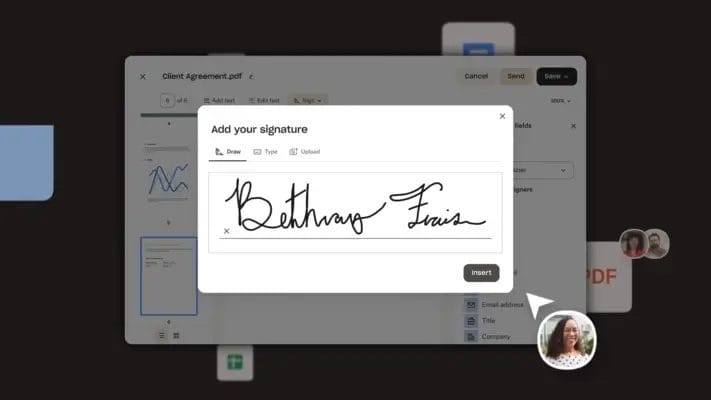
When my daughter needed her school permission slip signed during my work trip, I opened my phone. The file was there—synced from my desktop that morning. I signed it with my finger and texted it back. No frantic calls. No “Can you resend that?” Slack messages.
When my router died last winter, the 17 open project files survived the reboot exactly as left. No “conflicted copies.” No data loss.
When my accountant’s ancient Windows XP machine refused to open my cloud link, I just dragged the file into a shared folder. He saw it appear on his desktop like magic. No training. No tech support tickets.
Dropbox isn’t innovative. Its interface looks like a 2016 time capsule. But it solves the real problem: the terror of not finding your file when you need it. In a world of “AI-powered” tools that overpromise and underdeliver, its boring reliability is revolutionary.
You won’t notice it working. You’ll only notice when it’s gone. That’s how good infrastructure behaves.
(Tested on Windows 10/11, macOS Monterey, Android 14. Hardware: Dell XPS 13 (2019), Google Pixel 6. Dropbox version 185.4.5712. Free account since 2018, upgraded to Plus in 2022. No sponsored access.)
Screenshots